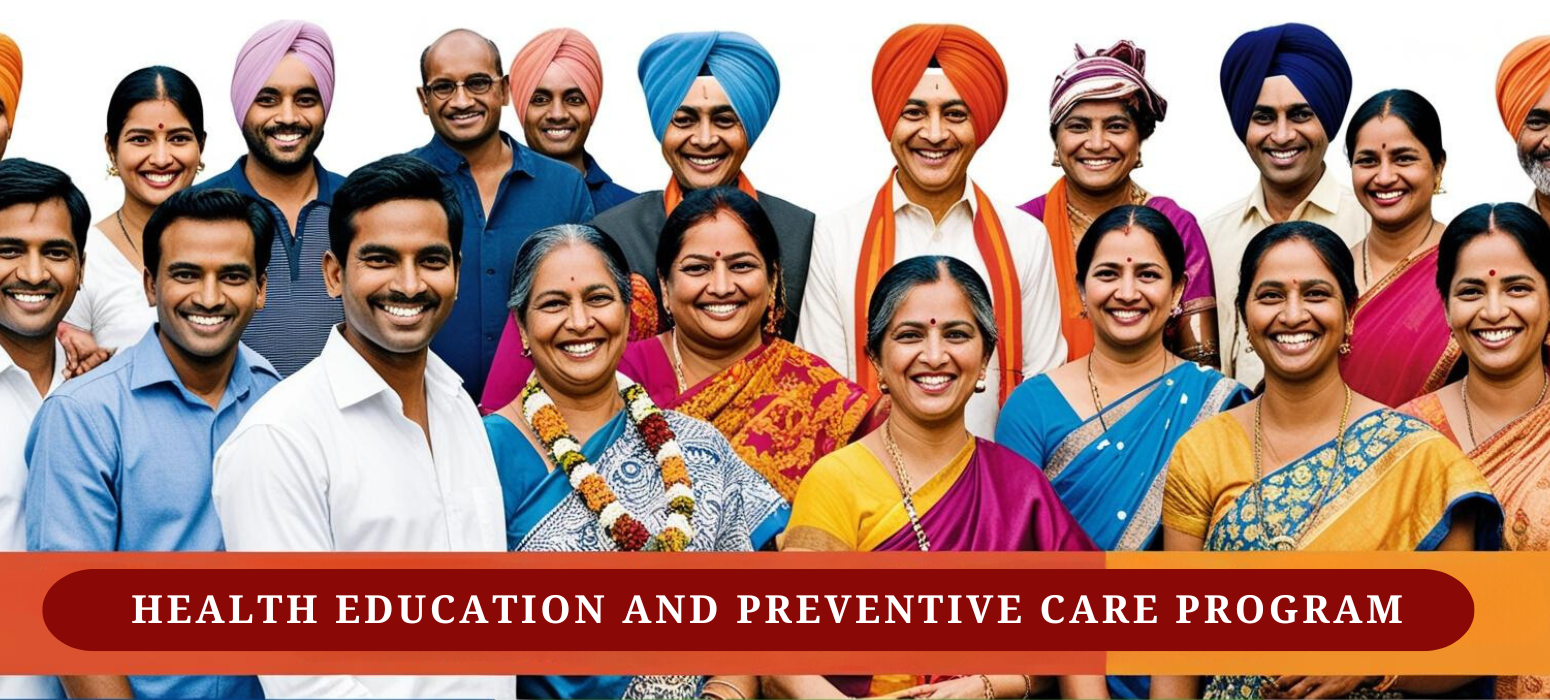
A Health Education and Preventive Care Program is a health initiative focused on educating individuals and communities about the importance of healthy lifestyles and preventive practices to reduce the risk of diseases and promote overall well-being. These programs aim to empower individuals with knowledge and skills to make informed decisions about their health and encourage behaviors that prevent illness before it occurs.
Awareness Campaigns:- These campaigns use various channels (e.g., media, community events, posters, social media) to educate the public on health issues, prevention strategies, and healthy habits. Topics can include nutrition, physical activity, mental health, vaccination, sexual health, and substance abuse.
Workshops and Seminars:- Offering classes, workshops, and seminars to educate people about specific health topics, such as managing stress, quitting smoking, or maintaining a balanced diet.
Health Literacy:- Helping individuals improve their ability to understand and use health-related information to make informed decisions. This includes teaching people how to read nutrition labels, understand health insurance benefits, or navigate healthcare services.
Targeted Education for Vulnerable Populations:- Tailoring health education efforts for high-risk groups such as children, older adults, immigrants, and low-income communities to ensure that information is relevant and accessible.
Nutrition Education:- Encouraging healthy eating habits, such as consuming a balanced diet with plenty of fruits, vegetables, whole grains, and lean proteins, while limiting processed foods, sugary drinks, and unhealthy fats.
Physical Activity:- Promoting regular physical activity to maintain a healthy weight, improve cardiovascular health, and reduce the risk of chronic diseases like diabetes, hypertension, and obesity. This can include walking campaigns, fitness challenges, or access to free exercise programs.
Mental Health and Stress Management:– Teaching individuals how to manage stress through relaxation techniques (e.g., meditation, yoga, mindfulness) and promoting mental health resources to prevent burnout, anxiety, and depression.
Substance Abuse Prevention:- Educating the public about the risks of tobacco, alcohol, and drug use, and providing resources for quitting or reducing use. This might include anti-smoking campaigns, drug-free community initiatives, and support for addiction recovery.
Sleep Hygiene:- Promoting healthy sleep habits, as adequate rest is crucial for overall health and well-being. This includes education about the importance of sleep, creating a conducive sleep environment, and managing sleep disorders.
Vaccinations:- Promoting vaccination to prevent infectious diseases like measles, polio, flu, hepatitis, and human papillomavirus (HPV). This may include vaccination drives and ensuring access to vaccines for children, adults, and high-risk groups.
Screenings and Early Detection:- Encouraging regular screenings for early detection of diseases such as breast cancer, cervical cancer, colorectal cancer, high blood pressure, diabetes, and high cholesterol. Early detection can significantly improve treatment outcomes.
Blood Pressure and Diabetes Management:- Offering programs for monitoring and managing chronic conditions such as hypertension and diabetes, providing education on lifestyle changes, and promoting regular check-ups to manage these conditions.
HIV and Sexually Transmitted Infection (STI) Prevention:- Educating individuals about safe sexual practices, including condom use, regular STI testing, and the importance of reducing risky behaviors. Promoting HIV awareness and prevention (e.g., PrEP, needle exchange programs).
Oral Health:- Promoting regular dental check-ups, proper brushing and flossing techniques, and the importance of good oral hygiene to prevent gum disease, cavities, and other dental issues.
Environmental Health:- Encouraging clean water access, proper sanitation, and waste management to prevent waterborne diseases and ensure safe living conditions.
Air Quality and Pollution Prevention:- Educating communities on the health risks of air pollution and encouraging practices to improve air quality (e.g., reducing car emissions, smoking cessation).
Workplace Wellness:- Providing health education in workplaces to promote healthy eating, physical activity, stress management, and prevention of workplace-related injuries or illnesses.
Social Support Networks:– Encouraging community engagement and the development of social support networks that help reduce isolation and stress, fostering overall mental and emotional well-being.
Mobile Health Clinics:- Deploying mobile health units to provide preventive care, vaccinations, screenings, and health education in underserved areas, including rural communities or low-income urban neighborhoods.
Health Fairs and Events:- Organizing community health fairs where people can access free screenings (e.g., blood pressure, glucose, cholesterol), receive health education, and interact with healthcare providers.
Peer Education and Support:- Training community members to serve as health educators and advocates in their communities. Peer educators can be influential in spreading health messages and encouraging others to seek preventive care.
Promoting Public Health Policies:- Advocating for policies that support preventive healthcare, such as mandatory vaccination, tobacco control laws, improved access to healthy foods, and clean water.
Tracking Program Impact:- Monitoring the effectiveness of health education and preventive care initiatives by collecting data on health outcomes, behaviors, and participation rates in screening or vaccination programs.
Feedback and Continuous Improvement:- Evaluating the program’s success and identifying areas for improvement based on participant feedback, health indicators, and emerging health needs.
In summary, a *Health Education and Preventive Care Program* plays a critical role in fostering healthier populations by focusing on the prevention of illness through education, early intervention, and community support. The program’s goal is to reduce the burden of disease, improve the quality of life, and ensure that individuals adopt habits that promote long-term health and well-being.
WhatsApp us